
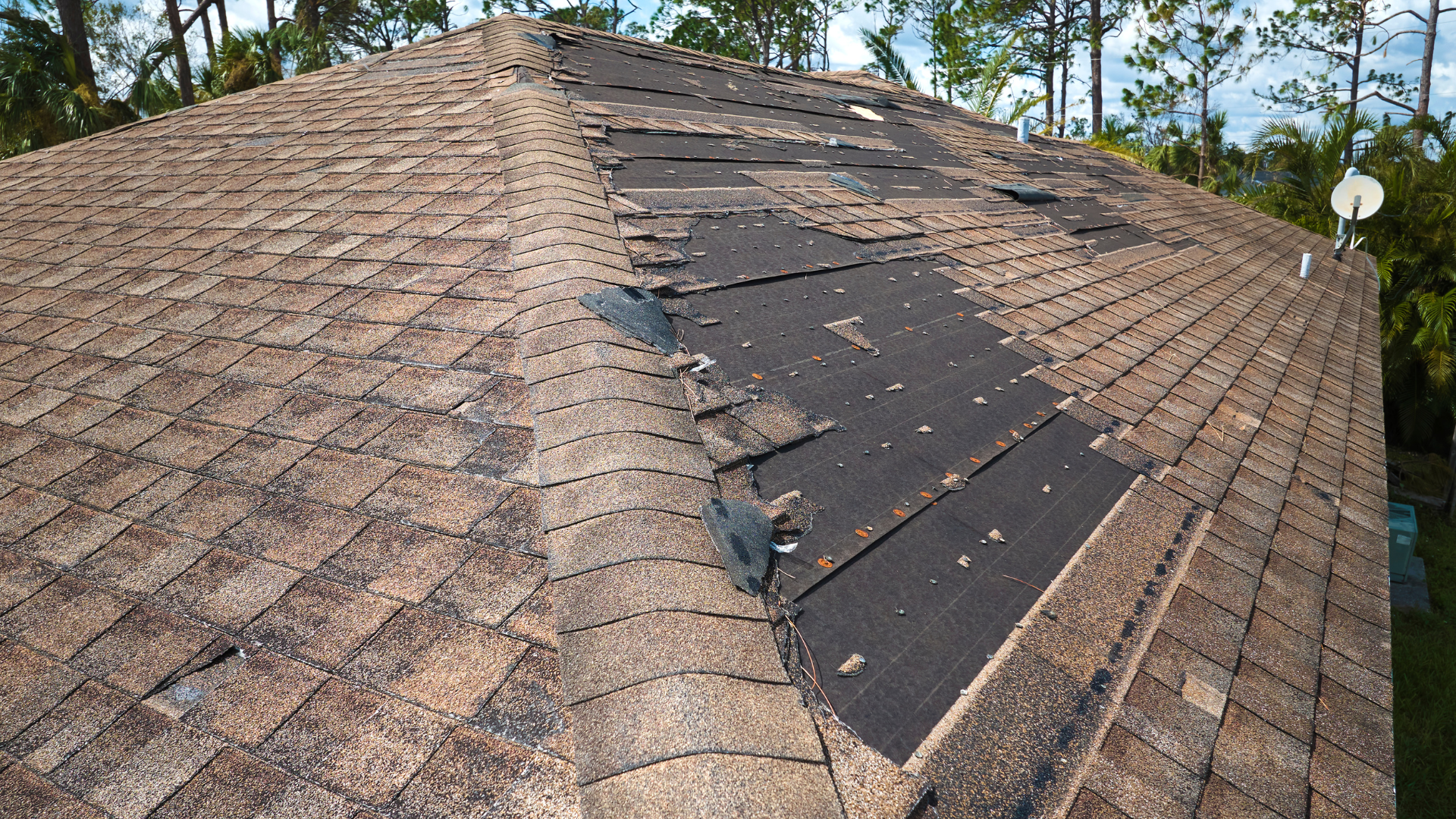
If your property has experienced strong winds or hail, inspect the ground for roofing debris, check for visible signs of damage, and schedule a professional inspection as soon as possible. Even small hail impacts or a few missing shingles can allow moisture to enter the roofing system, leading to expensive repairs if left untreated. Why Should You Never Ignore Wind and Hail Damage? Wind and hail storms are among the leading causes of residential roof damage across Kansas. According to the National Weather Service, hailstones can range from pea-sized (¼ inch) to softball-sized (4 inches or larger), while severe thunderstorm winds often exceed 58 mph. Both weather events can weaken roofing materials even when damage is not immediately visible. Homeowners in Overland Park, KS, frequently experience seasonal storms that can damage asphalt shingles, flashing, gutters, vents, skylights, and roof decking. A timely inspection helps identify hidden problems before leaks, mold, insulation damage, or structural deterioration occur. Scheduling a roofing inspection company after severe weather is one of the most effective ways to protect your home and document storm-related damage for insurance purposes. What Should You Check Immediately After a Wind or Hail Storm? While climbing onto a roof is not recommended, several warning signs can be identified safely from the ground. Look Around Your Property Walk around your home and look for: Missing or broken shingles Pieces of shingles are scattered across the yard Damaged gutters or downspouts Bent flashing Fallen tree limbs Metal debris around roof penetrations Dented mailbox, fencing, or HVAC equipment Visible damage around the property often indicates the roof has experienced similar impacts. How Can You Tell If Architectural Shingles Have Hail Damage? Architectural shingles are designed to withstand harsh weather, but large hail can still cause lasting damage. Common indicators include: Circular dark spots where protective granules have been knocked away Soft bruises that feel spongy when pressed Small cracks within the shingle surface Exposed asphalt underneath missing granules Random impact marks across multiple roof slopes Granule loss is particularly concerning because the protective layer shields shingles from ultraviolet radiation. Once exposed, shingles typically age much faster than intended. A qualified roofing inspection company can distinguish between normal aging and genuine hail damage using industry inspection techniques. Wind Damage Differs From Hail Damage Although storms often produce both hazards simultaneously, the damage patterns are disparate. Wind Damage Usually Causes Lifted shingles Creased shingles Missing shingle tabs Loose flashing Damaged ridge caps Exposed roofing nails Hail Damage Usually Causes Granule loss Circular impact marks Bruising Cracked shingles Dented metal vents Damaged gutters Understanding these differences helps homeowners explain storm conditions accurately during insurance inspections. What Interior Warning Signs Should You Never Ignore? Storm damage isn't always visible outside. Watch for: Water stains on ceilings Damp attic insulation Mold growth Musty odors Peeling interior paint Dripping around light fixtures Increased energy bills caused by compromised insulation These warning signs often indicate water has already penetrated the roofing system. What Is the Best Storm Damage Checklist? Use this checklist after every major storm. Walk around the property safely. Photograph visible damage. Check gutters for excessive granules. Look for fallen shingles or flashing. Inspect attic spaces for moisture. Watch ceilings for new water stains. Avoid walking on the roof. Contact your insurance company if significant damage is visible. Schedule a professional roof inspection promptly. Keep inspection reports for future documentation. Following these steps helps reduce repair costs and strengthens insurance claim documentation. Professional Roof Inspection Is Very Important Storm damage frequently extends beneath the visible roofing surface. Professional inspectors evaluate components that homeowners cannot safely assess. A complete inspection generally includes: Shingle condition assessment Flashing inspection Ridge vent evaluation Roof penetration inspection Gutter condition review Attic ventilation assessment Moisture detection Structural observations Photo documentation Written inspection report Hiring a roofing inspection company provides objective documentation that may assist with insurance claims while identifying issues before they become costly repairs. When Should You Contact Your Insurance Company? Most insurance providers recommend reporting storm damage as soon as it is discovered. Waiting too long may complicate the claims process because additional deterioration can make it difficult to determine the original cause of damage. Keep the following records: Date of the storm Photos before cleanup Inspection reports Repair estimates Insurance correspondence Receipts for temporary emergency repairs Proper documentation significantly improves claim accuracy. Minor Damage Becomes a Major Roofing Problem Even one lifted shingle can allow wind-driven rain beneath the roofing system. Moisture trapped underneath shingles can damage decking, insulation, rafters, ceilings, and drywall over time. Minor hail bruising also weakens the waterproof surface. Repeated exposure to sunlight, freezing temperatures, and additional storms often accelerates deterioration. Having a roofing inspection company in Overland Park, KS, evaluate suspected storm damage early helps prevent more extensive repairs later. How Often Should a Roof Be Inspected? Industry professionals generally recommend: Once every year After every major hailstorm After severe wind events Before buying or selling a home Before filing a storm damage insurance claim Regular inspections extend roof life and identify maintenance needs before problems escalate. Protect Your Roof Before Minor Storm Damage Becomes a Major Repair Storm damage is not always obvious, but acting quickly can prevent leaks, structural issues, and costly repairs. If your home has recently experienced high winds or hail, scheduling an inspection is one of the smartest steps you can take. Century Roofing provides thorough evaluations, clear documentation, and trusted guidance to help homeowners understand the true condition of their roofs. Contact Century Roofing today to schedule a professional inspection and gain peace of mind after the next storm. Frequently Asked Questions 1. What are the first signs of wind and hail damage I should look for on my roof? Look for missing shingles, dented gutters, granules collecting in downspouts, cracked shingles, lifted flashing, ceiling stains, and debris around your property. These signs often indicate that a professional inspection is needed. 2. How do I know if hail has damaged my architectural shingles? Hail damage usually appears as dark impact spots, bruising, granule loss, or cracked shingle surfaces. A trained inspector can confirm whether these marks are storm-related. 3. Can I inspect my roof for storm damage myself? A ground-level inspection is generally safe, but walking on a storm-damaged roof can be dangerous. Professional inspectors have the equipment and experience to identify hidden damage safely. 4. How long do I have to file an insurance claim after a storm in Overland Park? Insurance deadlines vary by policy, but many companies require claims within several months to one year. Contact your insurance provider promptly after discovering damage in Overland Park, KS. 5. What happens if I ignore minor hail damage on my roof? Small areas of damage can gradually worsen, allowing moisture to penetrate the roofing system. Delayed repairs often lead to leaks, mold, wood deterioration, and higher repair costs. 6. Does a few missing shingles mean I need a total roof replacement? Not necessarily. The extent of damage depends on the roof's age, overall condition, and whether underlying components have been compromised. A professional inspection determines the appropriate solution. 7. What is the difference between wind damage and hail damage? Wind typically lifts, tears, or removes shingles, while hail causes impact marks, bruising, granule loss, and dents on roofing materials and metal components. 8. Will my insurance premium go up if I file a storm damage claim? Premium changes depend on your insurance company, claim history, and regional weather patterns. Storm-related claims caused by natural events do not automatically result in higher premiums. 9. How long does a professional storm damage inspection take? Most residential inspections take between 45 minutes and 2 hours, depending on roof size, accessibility, and the amount of damage being evaluated. 10. Why should I choose Century Roofing for my post-storm inspection in Overland Park? Century Roofing provides detailed storm damage evaluations, thorough documentation, and honest recommendations to help homeowners make informed decisions about repairs and insurance claims. Whether damage is minor or extensive, the team is committed to protecting your investment with dependable roofing expertise.
If your roof has widespread shingle damage, recurring leaks, sagging areas, heavy granule loss, or is more than 20 to 30 years old, it is often more cost-effective to replace it rather than continue making repairs. A professional inspection helps determine whether a new roof replacement service is the safest and most practical solution for your home. How Do You Know When Roof Repairs Are No Longer Enough? Many homeowners wonder whether another repair will solve the problem or if replacing the roof is the smarter investment. While minor damage can often be repaired, repeated issues usually indicate that the roofing system has reached the end of its service life. Most asphalt shingle roofs last between 20 and 30 years, depending on installation quality, weather exposure, attic ventilation, and maintenance. According to industry studies, roofing problems that repeatedly affect multiple areas often cost homeowners more in long-term repairs than replacing the entire system. Understanding the warning signs helps homeowners make informed decisions before structural damage becomes more expensive. Top Five Warning Signs Your Roof Needs Replacement 1. Shingles Curling, Cracking, or Missing Damaged shingles are one of the clearest indicators that your roof is deteriorating. Look for signs such as: Curled or cupped shingle edges Cracked shingles Missing shingles after storms Loose shingles around the roof valleys Exposed roofing felt When damage affects only a few shingles, repairs may be sufficient. However, widespread deterioration across multiple roof sections usually means your roofing system is reaching the end of its lifespan and may require a new roof replacement service. Professional inspections can determine whether repairs remain practical or whether replacement offers better long-term value. 2. Water Leaks Inside Your Home Roof leaks rarely stay small. Water stains on ceilings, peeling paint, damp insulation, or mold growth often indicate that moisture has already entered the roofing system. Common warning signs include: Ceiling discoloration Wet attic insulation Mold or mildew odors Dripping water after storms Damaged drywall Water intrusion can weaken roof decking and framing if left untreated. Multiple leaks appearing in different locations often suggest the roof has experienced widespread failure rather than isolated damage. 3. Roof Older Than 20 Years Age alone does not always require replacement, but it becomes an important factor. Typical roofing lifespans include: Asphalt shingles: 20 to 30 years Architectural shingles: 25 to 35 years Metal roofing: 40 to 70 years Homes throughout Leawood experience seasonal hail, heavy rain, strong winds, summer heat, and winter freeze-thaw cycles that accelerate roof aging. If your roof is approaching its expected lifespan, scheduling a professional inspection helps identify hidden deterioration before major problems develop. Many homeowners choose residential roofing professionals to evaluate aging roofs before costly leaks occur. 4. Large Amounts of Shingle Granules Are Collecting in Your Gutters Granules protect asphalt shingles from ultraviolet sunlight and weather exposure. As shingles age, granules begin wearing away naturally. However, excessive granule loss significantly reduces roof performance. Watch for: Black or bare spots on shingles Large amounts of granules inside gutters Uneven roof coloring Faster shingle deterioration Granule loss accelerates roof aging because sunlight directly damages the asphalt beneath the protective surface. Extensive granule loss across multiple roof slopes often indicates that repairs alone may no longer provide lasting protection. 5. Roof Beginning to Sag A sagging roof is never considered normal. Visible dips, uneven roof lines, or depressed sections may indicate serious structural issues involving: Roof decking Rafters Trusses Moisture damage Long-term deterioration Structural sagging should always be evaluated immediately because it may affect the overall stability of the home. Unlike cosmetic roofing issues, a sagging roof typically requires a comprehensive structural assessment before deciding on repair or replacement. Why Does Replacing a Roof Early Save Money? Many homeowners postpone replacement, hoping additional repairs will extend roof life. Unfortunately, delaying replacement often leads to: Interior water damage Mold remediation expenses Damaged insulation Higher heating and cooling costs Structural wood repairs Industry estimates consistently show that repairing water damage after roof failure often costs significantly more than replacing an aging roof before widespread leaks occur. Investing in residential roofing in Leawood, KS, at the appropriate time helps protect the home's structure while reducing future repair costs. New Roof Improves Energy Efficiency Older roofing materials often lose their insulating effectiveness. Modern roofing systems provide improvements through: Better attic ventilation Improved underlayment materials Reflective roofing technology Higher quality moisture barriers Better air sealing According to the U.S. Department of Energy, proper attic ventilation and updated roofing systems can contribute to lower cooling costs during warmer months. Improved energy performance becomes an additional long-term benefit beyond protecting the home from weather damage. What Happens During a Professional Roof Replacement? Understanding the process helps homeowners prepare. A typical roof replacement includes: Complete roof inspection Removal of old roofing materials Inspection of roof decking Replacement of damaged wood if necessary Installation of moisture barriers New underlayment installation New shingle installation Flashing replacement Final inspection and cleanup Most residential roof replacements can be completed within one to three days, depending on roof size, weather, and material selection. Choosing an experienced contractor for new roof replacement service in Leawood, KS, helps ensure every component of the roofing system is properly installed. How Can Homeowners Extend the Life of Their Roof? Routine maintenance remains one of the best ways to maximize roof lifespan. Helpful maintenance practices include: Schedule annual roof inspections Remove leaves and debris regularly Keep gutters clean Trim overhanging tree branches Inspect after severe storms Address small leaks immediately Preventive maintenance cannot stop aging, but it can delay premature roof failure and reduce repair expenses. Regular inspections from residential roofing professionals help identify minor concerns before they become major structural issues. Knowing when to replace a roof can prevent costly structural repairs and protect your home's long-term value. Widespread shingle damage, persistent leaks, significant granule loss, roof aging, and structural sagging are all strong indicators that replacement may be the safest solution. If you notice any of these warning signs, don't wait until damage becomes more extensive. Century Roofing provides trusted roofing inspections and professional replacement solutions tailored to homeowners throughout Leawood. If you're considering a new roof replacement service or need expert guidance regarding residential roofing in Leawood, KS, contact Century Roofing today to schedule a comprehensive roof evaluation and receive a personalized recommendation for your home. Frequently Asked Questions 1. How do I know if I need a patch repair or a full roof replacement service in Leawood, KS? A patch repair may be sufficient when damage is isolated to one small area. However, multiple leaks, widespread shingle deterioration, structural problems, or an aging roof often indicate that a complete replacement is the more reliable long-term solution. 2. What are the top warning signs that my home needs a new roof, Leawood, KS? The most common warning signs include missing shingles, recurring leaks, heavy granule loss, sagging roof sections, and a roof that is more than 20 years old. 3. How many years does a typical residential roof last in Leawood? Most asphalt shingle roofs last between 20 and 30 years, although severe weather exposure, maintenance, and installation quality can affect overall lifespan. 4. Can dark streaks or moss growth mean I need a full roof replacement? Not always. Dark streaks may be caused by algae, while moss can trap moisture. A roofing inspection determines whether cleaning, repairs, or replacement is the most appropriate solution. 5. Why is a sagging roof line considered an immediate roofing emergency? A sagging roof often indicates structural deterioration involving decking or framing. Immediate inspection helps prevent additional structural damage and potential safety risks. 6. Is it possible to install a new roof over my old shingles to save money? Building codes sometimes allow overlay installations, but complete tear-offs generally provide better long-term performance because hidden decking damage can be identified and repaired. 7. How does extensive shingle granule loss impact my roof's lifespan? Granule loss exposes shingles to ultraviolet damage, accelerating aging and reducing the roof's ability to resist weather, which shortens overall service life. 8. What is the average timeline to complete a residential roof replacement? Most residential roofing projects are completed within one to three days, depending on roof size, weather conditions, and material selection. 9. Will a full roof replacement significantly improve my home's energy efficiency? Yes. Modern roofing systems often improve ventilation, moisture protection, and insulation performance, helping reduce heating and cooling costs throughout the year. 10. Why should I trust Century Roofing for my upcoming roof replacement project? Century Roofing combines professional workmanship, quality roofing materials, thorough inspections, and dependable customer service to help homeowners make informed roofing decisions and protect their investment with lasting results.
Choosing between architectural shingles and standing seam metal roofing depends on your budget, long-term goals, and local weather. Homeowners planning a new roof should compare durability, wind resistance, energy efficiency, maintenance needs, and expected lifespan before making a decision. A professional roofing company in Overland Park, KS, can evaluate your home and recommend the best roofing system for lasting protection. Homeowners Are Comparing Architectural Shingles and Metal Roofs Roof replacement decisions have changed significantly over the last few years. Instead of choosing roofing materials based only on appearance, homeowners now focus on performance, sustainability, and long-term value. Kansas weather presents unique challenges for residential roofing. Strong winds regularly exceed 60 mph during seasonal storms, hail events are common throughout spring and summer, and intense summer heat places continuous stress on roofing materials. These conditions make selecting the right roofing system an important investment rather than simply a cosmetic upgrade. When considering a new roof in Overland Park, KS, many homeowners compare traditional architectural shingles with modern matte-finish standing seam metal systems because both offer attractive designs while delivering different performance advantages. What Makes Architectural Shingles a Popular Roofing Choice? Architectural shingles remain the most commonly installed residential roofing material across the United States. Unlike traditional three-tab shingles, architectural shingles feature multiple layers that create greater thickness, improved durability, and enhanced curb appeal. Benefits include: Attractive dimensional appearance Lower upfront installation cost Available in numerous colors and textures Compatible with most residential roof designs Easier repair if isolated damage occurs Typical lifespan of 25–35 years with proper maintenance Many premium architectural shingles now include wind ratings up to 130 mph when installed according to manufacturer specifications. Modern impact-resistant shingles may also qualify homeowners for insurance discounts in certain situations. For many families, architectural shingles provide an excellent balance between affordability and long-term performance. Why Are Standing Seam Metal Roofs Trending in 2026? Performance-first home design continues to influence roofing choices throughout 2026. Standing seam metal roofing has become increasingly popular because exposed fasteners are eliminated, reducing opportunities for water intrusion while creating a sleek contemporary appearance. Modern matte-finish systems provide advantages, including: Expected lifespan of 50–70 years Exceptional resistance to corrosion Minimal maintenance requirements Excellent snow and rain shedding Improved resistance to fire Superior protection against UV exposure Contemporary architectural appearance Unlike older metal roofs, today's matte-finish standing seam systems offer subtle colors that complement traditional neighborhoods while maintaining outstanding durability. Which Roofing Material Handles Kansas Storms Better? Storm resistance remains one of the biggest deciding factors for homeowners. Architectural shingles perform well during normal weather and moderate storms, particularly premium laminated products rated for high winds. However, repeated hail impacts and years of UV exposure gradually weaken asphalt materials. Standing seam metal systems generally provide greater resistance against: High winds Flying debris Heavy rainfall Temperature fluctuations Long-term weathering Metal roofing panels are engineered to expand and contract with changing temperatures, reducing the likelihood of cracking compared to many traditional roofing materials. For homeowners wanting maximum storm protection, a professional roofing company often recommends standing seam systems for their exceptional structural performance. Which Roofing Option Is More Energy Efficient? Energy efficiency has become another major consideration during roof replacement. Architectural shingles absorb more solar heat because asphalt naturally retains warmth throughout the day. Improved attic ventilation can reduce some of this heat transfer, but darker shingles generally increase attic temperatures. Standing seam metal roofs frequently include reflective coatings that redirect solar radiation away from the home. Potential energy-saving benefits include: Cooler attic temperatures Reduced HVAC workload Improved indoor comfort Lower summer cooling costs Better long-term energy performance According to the U.S. Department of Energy, reflective roofing materials can significantly reduce roof surface temperatures compared to conventional dark roofing products, improving overall building efficiency. Roofing Contractor Determine the Right Material Every home requires an individual evaluation before selecting roofing materials. Professional inspections typically include: Structural framing assessment Roof deck condition evaluation Attic ventilation inspection Moisture detection Flashing inspection Chimney and skylight evaluation Drainage analysis Wind exposure assessment Local building code review Material compatibility recommendations Metal roofing weighs less than many homeowners assume. Most standing seam steel systems weigh approximately 1 to 1.5 pounds per square foot, making them lighter than many multi-layer asphalt roofing assemblies. This evaluation ensures homeowners receive roofing recommendations based on engineering rather than assumptions. How Do Installation Costs Compare? Upfront investment varies considerably between roofing systems. Architectural shingles generally have lower installation costs, making them attractive for homeowners with tighter budgets. Standing seam metal roofing requires: Specialized installation techniques Precision fabrication Custom flashing components Experienced installers Although installation costs are higher, many homeowners recover value through: Longer service life Reduced maintenance Improved energy efficiency Higher resale value Greater weather resistance Instead of focusing only on initial pricing, comparing lifetime ownership costs often provides a more accurate financial picture. Which Roofing System Delivers Better Long-Term Value? The best roofing investment depends on the homeowner's priorities. Architectural shingles may be ideal for homeowners who: Prefer lower upfront costs Plan to sell within 10–15 years Want traditional curb appeal Need economical replacement options Standing seam metal systems may be better suited for homeowners who: Plan long-term ownership Prioritize durability Want maximum storm resistance Value energy efficiency Prefer minimal maintenance Appreciate contemporary architectural styling Every property has unique structural and aesthetic considerations, making professional guidance essential before selecting materials for a new roof. Protect Your Home with Expert Roofing Guidance A roof replacement is one of the most valuable investments you can make for your home. Choosing the right material today can improve durability, energy efficiency, curb appeal, and long-term savings for decades to come. Our team carefully evaluates every roof, explains every available option, and recommends solutions tailored to your home's specific needs. If you're searching for a trusted roofing company in Overland Park, KS, Century Roofing is ready to help you compare architectural shingles and standing seam metal systems with confidence. Contact us today to schedule your professional roof evaluation and receive a detailed replacement estimate. Frequently Asked Questions 1. What is the difference between architectural shingles and a standing seam metal roof? Architectural shingles are layered asphalt products designed for durability and appearance, while standing seam metal roofs use interlocking steel panels with concealed fasteners that provide longer lifespan and greater weather resistance. 2. Which roofing material offers better wind resistance during Overland Park's severe storms? Standing seam metal roofs generally provide superior wind resistance. Premium architectural shingles can also perform exceptionally well, with many products rated for winds up to 130 mph. 3. Why are modern matte-finish metal systems trending for new roofs in Overland Park, KS? Homeowners appreciate their contemporary appearance, exceptional durability, low maintenance requirements, improved energy efficiency, and long service life. 4. How does the energy efficiency of an asphalt shingle roof compare to a metal system? Metal roofing reflects more solar heat than asphalt shingles, often helping reduce attic temperatures and lowering cooling costs during hot Kansas summers. 5. What is the upfront cost difference when upgrading my residential roofing system? Architectural shingles generally cost less initially, while standing seam metal roofs require a larger investment but often provide greater long-term value. 6. How does a professional roofing company evaluate whether a home can support a heavy metal roof? Roofing professionals inspect structural framing, roof decking, ventilation, and load capacity before recommending any roofing material. Most residential metal roofing systems are lighter than many homeowners expect. 7. Do metal roofing systems make more noise during heavy rain or hailstorms? Properly installed metal roofing with attic insulation and solid roof decking produces noise levels that are comparable to other roofing materials. 8. Can hail easily puncture or destroy an architectural shingle versus a metal roof? Large hail can damage both materials. Premium impact-resistant shingles and high-quality metal roofing systems are specifically engineered to withstand severe weather better. 9. What specific warranties should a trusted roofing company in Overland Park, KS offer? Look for manufacturer material warranties, workmanship warranties, wind coverage, algae protection, and clear documentation covering installation quality. 10. How do I get an accurate cost comparison for my roof replacement project? Schedule a comprehensive roof inspection that evaluates your home's size, roof complexity, structural condition, ventilation, material options, and installation requirements before comparing detailed written estimates.
Hail bruising is not always visible from the ground, but hidden damage can shorten a roof's lifespan and lead to costly repairs. Signs such as excessive mineral granules in gutters, dents on soft metals, and micro-fractures in impact-resistant shingles often indicate the need for a professional evaluation after a Johnson County spring storm. What Is Hail Bruising, and Why Is It Often Missed? Hail bruising occurs when hailstones strike asphalt shingles with enough force to damage the internal structure without immediately breaking the surface. The fiberglass mat beneath the protective granules can become compressed or fractured while the roof continues to look relatively normal from the ground. Many homeowners expect storm damage to include missing shingles or obvious leaks. In reality, invisible hail bruising may remain undetected for months. Kansas regularly experiences severe thunderstorms capable of producing hail ranging from one to two inches in diameter, and repeated impacts gradually weaken roofing materials. Hidden damage often progresses until moisture penetrates the roof system, resulting in expensive structural repairs. A professional roofing company understands how to identify these concealed warning signs before they become larger problems. Why Do Mineral Granules in Gutters Matter After a Storm? One of the earliest indicators of hidden hail damage is an unusual amount of mineral granules collecting inside gutters or downspouts. Roofing granules perform several important functions: Shield shingles from harmful UV rays. Improve fire resistance. Slow material deterioration. Protect the asphalt layer from weather exposure. Some granule loss naturally occurs as a roof ages. However, finding excessive amounts immediately after a Johnson County spring storm may indicate hail impacts have loosened the protective surface. Once enough granules disappear, shingles become increasingly vulnerable to sunlight, moisture, and temperature fluctuations. Granule accumulation alone does not confirm hail bruising, but it provides an important diagnostic clue when evaluated alongside other physical evidence. Class 4 Impact-Resistant Shingles Still Develop Micro-Fractures Yes. Class 4 impact-resistant shingles are engineered to withstand severe weather better than standard roofing materials, but no roofing product is completely immune to damage. Large hailstones can create microscopic fractures beneath the visible surface. These micro-fractures may not produce immediate leaks, making them especially difficult to identify during a casual inspection. Over time, these hidden fractures can: Reduce shingle flexibility. Accelerate material aging. Increase moisture penetration. Shorten overall roof performance. Create future leak pathways. Professional inspectors use systematic evaluation techniques to locate these subtle impact points before deterioration becomes widespread. Why Should You Inspect Soft Metals Around Your Roof? Soft metal components often reveal hail intensity before roofing materials show obvious signs. After a storm, examine visible metal surfaces such as: Gutters Downspouts Roof vents Flashing Air conditioning fins Mailboxes Metal window trim Exterior light fixtures Dents across several soft metal surfaces usually indicate that the roof experienced similar impacts. While dents alone do not prove roofing damage, they help establish the likelihood that shingles absorbed significant force. Experienced inspectors compare soft-metal damage with roof conditions to build a complete assessment rather than relying on a single symptom. Professional Inspection Detect Hidden Hail Bruising A thorough inspection involves much more than looking for missing shingles. Professional evaluations follow a structured diagnostic process designed to uncover invisible storm damage. Typical inspection steps include: Review the property's recent storm history. Examine gutters for excessive aggregate loss. Inspect soft metals for consistent hail impacts. Check shingles for bruising, circular impact marks, and displaced granules. Test suspicious areas for soft spots that indicate internal mat damage. Look for micro-fractures in impact-resistant shingles. Inspect flashing, roof penetrations, and valleys. Photograph all findings for documentation. Evaluate attic ventilation and moisture intrusion. Prepare a detailed condition report. A complete roofing inspection and repair process identifies hidden structural concerns before they develop into larger roofing failures. What Risks Come From Delaying an Inspection? Waiting too long after a severe hailstorm can allow hidden damage to worsen. Potential consequences include: Water infiltration beneath shingles. Decking deterioration. Mold growth inside attic spaces. Reduced insulation efficiency. Interior ceiling stains. Higher repair costs. Potential insurance claim complications. Insurance carriers often require timely reporting after documented storm events. Even if no leak is present, early documentation strengthens the repair process and helps establish the connection between the storm and the damage. Prompt inspections provide valuable information while physical evidence remains easier to identify. What Should You Do If You Suspect Hidden Storm Damage? A calm, organized response helps protect both your property and insurance documentation. Follow these steps: Walk around the property safely from the ground. Photograph gutters, downspouts, soft metals, and visible roof areas. Record the approximate storm date. Avoid climbing onto the roof. Save any loose roofing materials found on the property. Schedule a professional inspection promptly. Review inspection findings before contacting your insurance provider if damage is confirmed. Avoid attempting temporary repairs without understanding the full extent of the damage. Hidden bruising beneath intact shingles often requires professional evaluation rather than surface patching. Why Does Leawood's Building Code Matter During Repairs? Building codes help ensure roofing repairs meet current safety and construction standards. Depending on the extent of damage, repairs may require compliance with updated installation practices, underlayment requirements, ventilation standards, and material specifications. Professional contractors remain familiar with local permitting requirements and inspection procedures, helping repairs align with municipal expectations while restoring long-term roof performance. Proper code compliance also supports insurance documentation and helps maintain the value of the property after storm restoration. Protect Your Roof Before Hidden Damage Becomes a Major Repair Invisible hail bruising rarely improves on its own. Small internal fractures, displaced granules, and concealed impact damage can continue affecting your roof long after a storm has passed. If your property has experienced severe weather in Johnson County, a timely roofing inspection and repair can help identify problems early and prevent unnecessary expenses. As a trusted roofing company in Leawood, KS, Century Roofing provides thorough storm damag evaluations, detailed documentation, and dependable repair solutions to help protect your home. Contact us today to schedule your professional roof assessment and gain confidence in your roof's condition. Frequently Asked Questions 1. What is hail bruising on a shingle, and why is it considered an invisible sign of damage? Hail bruising occurs when hail compresses or fractures the internal structure of a shingle without creating obvious surface damage. The hidden weakening often develops into future leaks or premature roof deterioration. 2. Why does finding excessive mineral granules in my gutters indicate hidden hail damage? Large amounts of granules after a storm suggest protective surfaces have been dislodged by hail impacts. This loss exposes shingles to accelerated weathering and may accompany internal bruising. 3. Can micro-fractures happen to Class 4 impact-resistant shingles during a Johnson County storm? Yes. Impact-resistant shingles perform well against severe weather, but unusually large hail can still create microscopic fractures beneath the visible surface that require professional inspection. 4. How does a professional roofing company in Leawood, KS, detect sub-surface hail bruising? Inspectors evaluate impact patterns, soft metal damage, granule displacement, shingle flexibility, and microscopic fractures while documenting every finding with photographs and detailed reports. 5. What are the risks of delaying a professional roofing inspection after a major spring storm? Delays may allow moisture intrusion, mold development, structural deterioration, insulation damage, and additional repair costs while making insurance documentation more challenging. 6. What procedural steps should I take if I suspect my Leawood home has hidden storm damage? Photograph visible conditions, note the storm date, avoid walking on the roof, preserve any roofing debris, and arrange a professional inspection as soon as possible. 7. Why should I look at my metal light fixtures and soft metals to check for roof damage? Soft metals dent more easily than shingles, making them reliable indicators that hail struck the property with enough force to damage roofing materials potentially. 8. Will my insurance company pay for a roof repair if the hail damage isn't causing an active leak yet? Many insurance policies cover qualifying storm damage before leaks develop, provided the damage resulted from a covered event and is documented through a professional inspection. Coverage depends on policy terms. 9. Does Leawood's strict building code affect how hail repairs are handled? Yes. Roofing repairs may need to meet current building standards regarding installation methods, materials, ventilation, and permitting requirements. 10. How do I book a certified storm damage evaluation with Century Roofing? Scheduling a certified evaluation begins with contacting the office to arrange a comprehensive inspection. The inspection includes documenting storm-related damage, reviewing findings, and discussing appropriate repair recommendations based on the roof's condition.
A roof often gives clear warning signs before a major problem develops. Shingle granules in gutters, curling shingles, damaged flashing, active leaks, rising energy bills, and missing roofing materials all indicate that a professional inspection is needed. Acting early helps prevent structural damage, mold growth, and expensive repairs while protecting the lifespan of your home's roofing system. What Are the First Signs That Your Roof May Be Failing? Many homeowners only notice roofing problems after water begins dripping into the home. In reality, most roofs display visible symptoms long before interior damage occurs. Kansas weather regularly exposes residential roofs to strong winds, hail, heavy rain, snow, freezing temperatures, and summer heat, all of which gradually weaken roofing materials. Recognizing these early warning signs allows homeowners to schedule a roof repair service before minor damage develops into a costly replacement. Below are five structural warning signs every homeowner should know. Why Do Shingle Granules in Gutters Signal Roof Damage? Asphalt shingles are coated with protective mineral granules that shield the roof from ultraviolet rays, moisture, and temperature fluctuations. As shingles age or experience storm damage, these granules begin separating from the surface. Watch for these warning signs: Large amounts of black or sand-like granules inside gutters Bare patches appearing on shingles Uneven coloring across the roof Increased debris after heavy rain or hailstorms Granule loss significantly reduces a roof's ability to repel sunlight and moisture. Without that protective coating, shingles deteriorate much faster. Professional inspections include checking: Gutter debris Roof drainage patterns Shingle condition Storm-related impact damage Finding granules in gutters doesn't always mean replacement is necessary, but it does indicate that professional evaluation should happen as soon as possible. Curling or Buckling Shingles Affect Your Roofing System Curling shingles are among the easiest roof problems to identify from the ground. Shingles may begin: Curling upward along the edges Buckling in the middle Lifting away from neighboring shingles Cracking near nail locations These issues typically occur because of: Long-term weather exposure Poor attic ventilation Moisture trapped beneath roofing materials Improper installation Aging roofing products Curled shingles allow wind-driven rain to penetrate beneath the roofing surface. Even small openings may eventually cause wood rot, insulation damage, and mold growth inside the attic. During a professional inspection, roofing specialists examine whether isolated repairs can restore the roof or whether widespread deterioration indicates a larger issue requiring additional work. Ice Dams Damage Flashing and Create Active Leaks Winter weather in Kansas can produce repeated freeze-thaw cycles that contribute to ice dam formation. An ice dam develops when melting snow refreezes along the roof edge, preventing proper drainage. Water becomes trapped behind the ice and eventually forces its way beneath the roofing materials. The most vulnerable locations include: Chimneys Roof valleys Skylights Dormers Wall intersections Plumbing vent penetrations Roof flashing protects these transition areas by directing water away from joints. Once flashing becomes bent, rusted, lifted, or separated by expanding ice, water can infiltrate beneath the roofing system. Common warning signs include: Water stains on ceilings Damp attic insulation Peeling paint Interior wall discoloration Moisture around fireplaces Prompt flashing repairs often prevent widespread structural damage while preserving the existing roof. Why Should Missing or Damaged Shingles Never Be Ignored? Kansas windstorms frequently loosen shingles before homeowners even realize damage has occurred. After severe weather, inspect the property for: Missing shingles Lifted shingle tabs Broken ridge caps Exposed roofing nails Fallen roofing materials in the yard Every missing shingle creates a direct path for moisture to reach the roof deck. Even one exposed section can eventually result in: Wood deterioration Mold growth Insulation damage Interior leaks Increased repair costs Scheduling a roof repair service in Overland Park, KS, immediately after a windstorm helps minimize secondary damage and extends the overall lifespan of the roofing system. Can Interior Warning Signs Mean the Roof Is Failing? Many roofing problems first appear inside the home rather than on top of it. Homeowners should investigate immediately if they notice: Ceiling stains Damp drywall Bubbling paint Musty attic odors Mold growth Higher heating or cooling costs A compromised roof allows outside air and moisture to enter the home, reducing insulation performance and forcing HVAC equipment to work harder. Professional inspectors evaluate: Interior ceilings Attic ventilation Roof decking Insulation moisture levels Structural framing Exterior roofing materials Flashing connections Roof penetrations This comprehensive inspection identifies the true source of the problem instead of simply treating visible symptoms. What Does a Professional Roof Diagnostic Process Include? Modern roof inspections involve much more than a simple visual assessment. A complete evaluation generally includes: Exterior walk-around Drone-assisted aerial imaging Shingle condition assessment Flashing inspection Gutter evaluation Attic examination Ventilation analysis Moisture detection Leak tracing Detailed repair recommendations Drone technology allows inspectors to safely examine steep roof slopes while capturing high-resolution images that reveal cracked shingles, storm damage, lifted flashing, and hidden deterioration that may not be visible from ground level. This systematic process ensures homeowners receive accurate recommendations based on the roof's actual condition. Why Is Preventive Maintenance Worth the Investment? Routine roof maintenance is significantly less expensive than emergency repairs following structural water damage. Preventative maintenance typically includes: Removing debris Cleaning gutters Inspecting flashing Replacing damaged shingles Sealing exposed fasteners Checking attic ventilation Monitoring roof drainage Documenting storm damage Industry studies consistently show that routine inspections can substantially extend the service life of residential roofing systems by identifying small issues before they escalate into major repairs. Scheduling inspections after severe storms and at regular intervals provides long-term protection for both the roof and the home's structural integrity. Protect Your Home Before Minor Damage Becomes Major Ignoring small roofing issues often leads to larger structural repairs that could have been prevented with early intervention. If you notice granule loss, curling shingles, damaged flashing, missing roofing materials, or signs of interior leaks, professional evaluation is the safest course of action. Our team at Century Roofing provides thorough inspections, advanced diagnostic technology, and dependable roof repair service solutions tailored to each home's needs. Contact Century Roofing today to schedule your professional roof assessment and protect your investment before small problems become costly repairs. Frequently Asked Questions 1. What are the most common warning signs that I need a professional roof repair service in Overland Park, KS? Common warning signs include missing shingles, granules in gutters, curling shingles, flashing damage, water stains on ceilings, attic leaks, mold growth, and visible storm damage. 2. Why does finding shingle granules in my gutters mean I need a roof repair service? Granules protect shingles from UV rays and weather exposure. Excessive granule loss indicates aging or storm damage and should be professionally inspected before deterioration accelerates. 3. How do curling or buckling shingles compromise my residential roofing system? Curled or buckled shingles allow water and wind to penetrate beneath the roofing surface, increasing the risk of leaks, wood rot, and insulation damage. 4. How do winter ice dams damage roof flashing and create active leaks? Ice dams trap melting snow on the roof. The backed-up water seeps beneath damaged flashing and shingles, eventually entering the attic and interior living spaces. 5. Can a local roofing company fix damaged flashing without replacing the whole roof? Yes. If the surrounding roofing materials remain in good condition, damaged flashing can often be repaired or replaced independently without requiring a complete roof replacement. 6. What step-by-step diagnostic process does Century Roofing use to evaluate an active leak? The inspection includes an exterior assessment, drone imaging, attic evaluation, moisture detection, flashing inspection, ventilation analysis, leak tracing, and a customized repair recommendation. 7. How can I tell if my home requires a minor roof repair service or a full roof replacement? A professional inspection evaluates the extent of damage, roof age, structural condition, and remaining lifespan to determine whether targeted repairs or replacement is the better solution. 8. Who should I contact if high winds suddenly blow shingles off my home? You should contact an experienced local roofing contractor immediately to secure exposed areas, inspect for hidden damage, and complete necessary repairs before additional weather causes further problems. 9. Will regular preventative roofing maintenance extend the life of my roof? Yes. Routine inspections, gutter cleaning, flashing checks, and prompt repairs help prevent moisture intrusion and significantly extend the lifespan of most residential roofing systems. 10. What is the fastest way to book a professional repair consultation with Century Roofing? The quickest option is to contact Century Roofing directly through their website or by phone to schedule a convenient inspection and receive a detailed repair assessment.
Century Roofing has been selected as a winner of the 2026 BBB Torch Awards for Ethics by BBB Midwest Plains, recognizing the company's commitment to ethical business practices, customer trust, transparency, and industry leadership. The award also advances the company to compete for the International Torch Awards for Ethics, with winners to be announced later this fall. Recognition for ethical business practices is one of the highest honors a company can receive. BBB Midwest Plains has officially named Century Roofing a recipient of the 2026 BBB Torch Award for Ethics, an achievement that highlights the company's unwavering commitment to integrity, accountability, and exceptional customer service. This award celebrates organizations that consistently demonstrate ethical leadership while building trust within the communities they serve. The selection places Century Roofing among a distinguished group of businesses recognized for operating with honesty, transparency, and professionalism. In addition to receiving regional recognition, the company will now advance to compete for the International Torch Awards for Ethics, where winners will be announced this fall. What Does the BBB Torch Award for Ethics Recognize? The Better Business Bureau Torch Awards for Ethics honor organizations that go beyond standard business practices to establish a culture built on trust and ethical decision-making. Businesses are evaluated on multiple criteria, including: Commitment to ethical leadership Transparent customer communication Employee engagement and workplace culture Community involvement and responsibility Consistent delivery of quality products and services Long-term customer trust and satisfaction The BBB Torch Award is not based solely on business growth or revenue. Instead, it focuses on how organizations conduct business every day and the values that guide their operations. Receiving this recognition demonstrates that ethical practices remain central to Century Roofing's approach to serving homeowners, businesses, and communities. Why Ethical Business Practices Matter in the Roofing Industry Roofing projects often represent significant investments for property owners. Customers depend on roofing contractors to provide honest assessments, transparent pricing, quality workmanship, and reliable service. Ethical business practices help create confidence throughout every stage of a roofing project. Customers benefit from: Clear project expectations Honest recommendations Accurate estimates Reliable communication Professional workmanship Accountability after project completion The BBB Torch Award recognizes organizations that consistently prioritize these values. By earning this distinction, Century Roofing has demonstrated its dedication to building lasting relationships based on trust rather than short-term transactions. How This Recognition Reflects Customer Trust Awards are meaningful, but they are often the result of years of consistent performance and customer confidence. The BBB Torch Award for Ethics reflects a company's ability to earn trust over time. Trust is built through thousands of interactions, including project consultations, service appointments, customer communications, and completed roofing installations. For homeowners and commercial property owners, selecting a roofing contractor often involves evaluating reputation, reliability, and accountability. Recognition from BBB Midwest Plains serves as independent validation that Century Roofing operates according to high ethical standards and customer-focused principles. The award also highlights the importance of maintaining strong relationships with employees, suppliers, community partners, and customers alike. Looking Ahead Being named a 2026 BBB Torch Award for Ethics winner is both an honor and a responsibility. The recognition reinforces the importance of continuing to uphold the values that have contributed to long-term success while pursuing even higher standards of excellence. As Century Roofing advances to the International Torch Awards competition, the company remains focused on delivering quality roofing solutions, maintaining transparent communication, and serving customers with integrity.
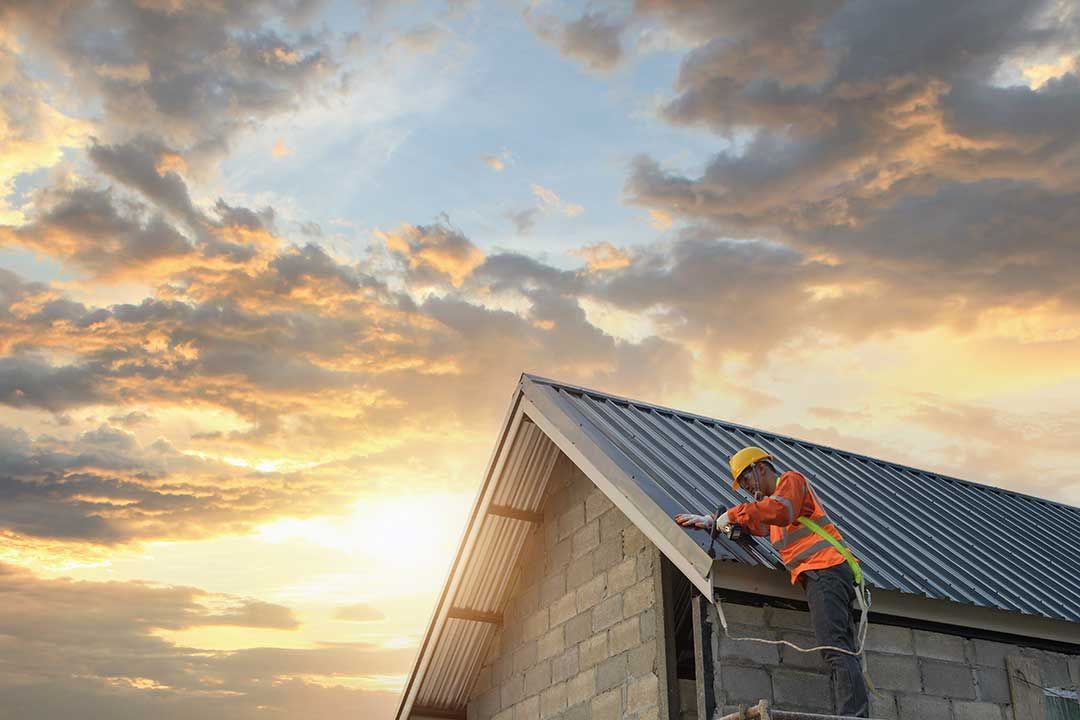
Why Should Roof Debris Be Removed Regularly in Overland Park, KS? Regular roof debris removal is a key part of home maintenance for area households. Accumulated
The post Proven Methods for Safely Clearing Roof Debris in Overland Park, KS first appeared on Roofing Expert in Overland Park.
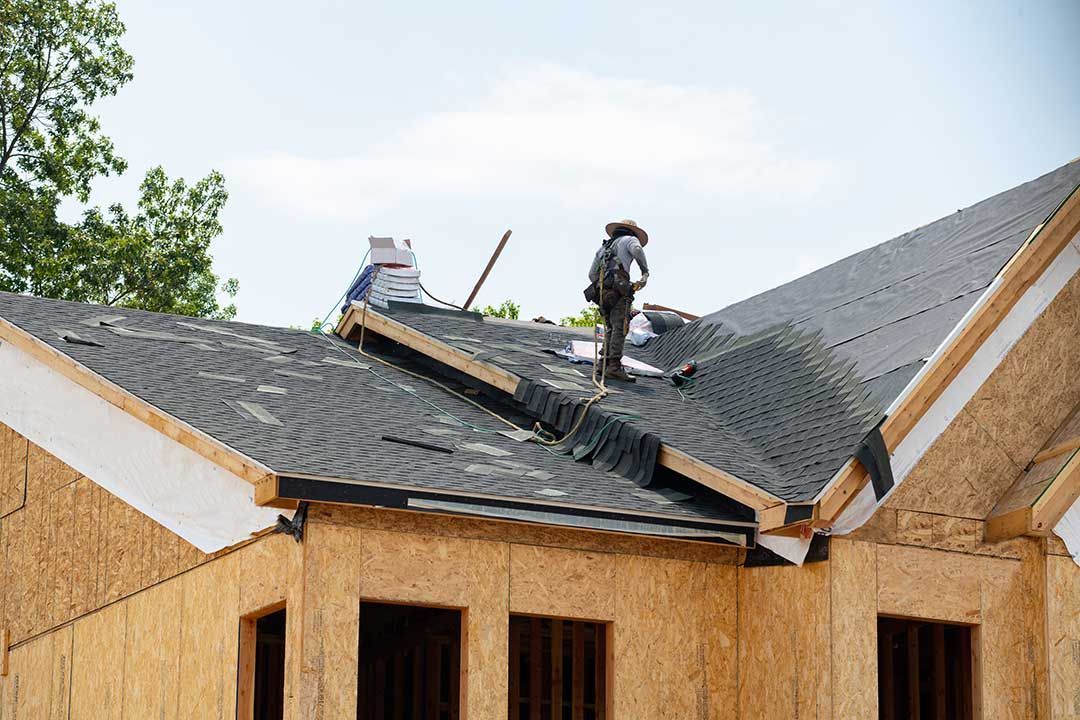
What Are Green Roofing Systems, and How Do They Work? Green roofing refers to roofing technologies that aim to reduce environmental impact, improve energy effic
The post Are Green Roofing Systems Worth Considering for Overland Park, KS Homes? first appeared on Roofing Expert in Overland Park.
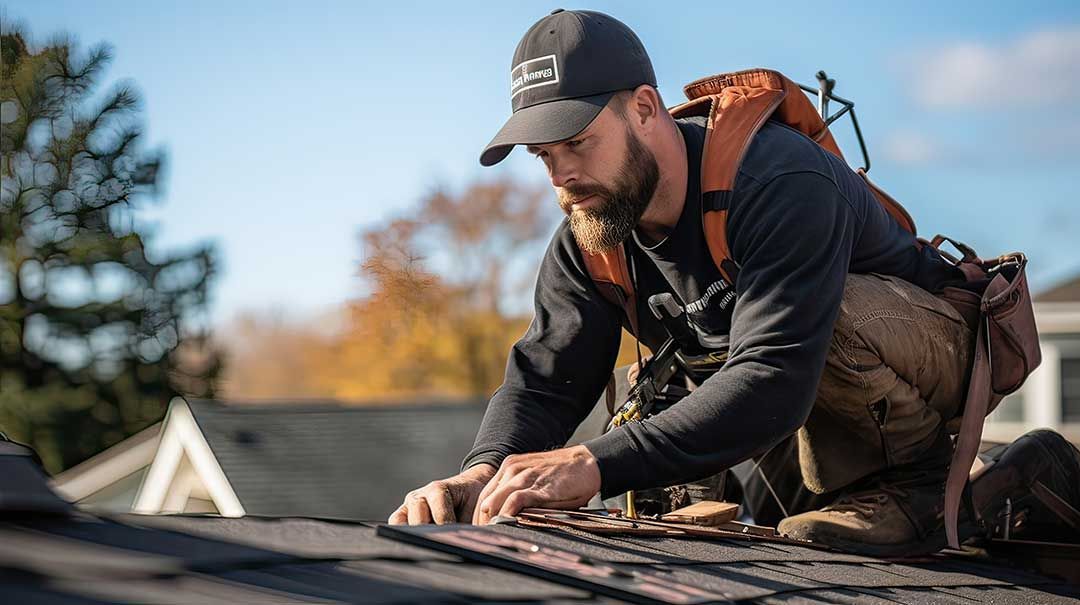
What Causes Shingle Curling and Cracking on Overland Park Roofs? Shingle curling and cracking are common issues in residential roofing, often raising concern am
The post Dealing with Shingle Curling and Cracking: Reliable Advice for Overland Park, KS Homeowners first appeared on Roofing Expert in Overland Park.
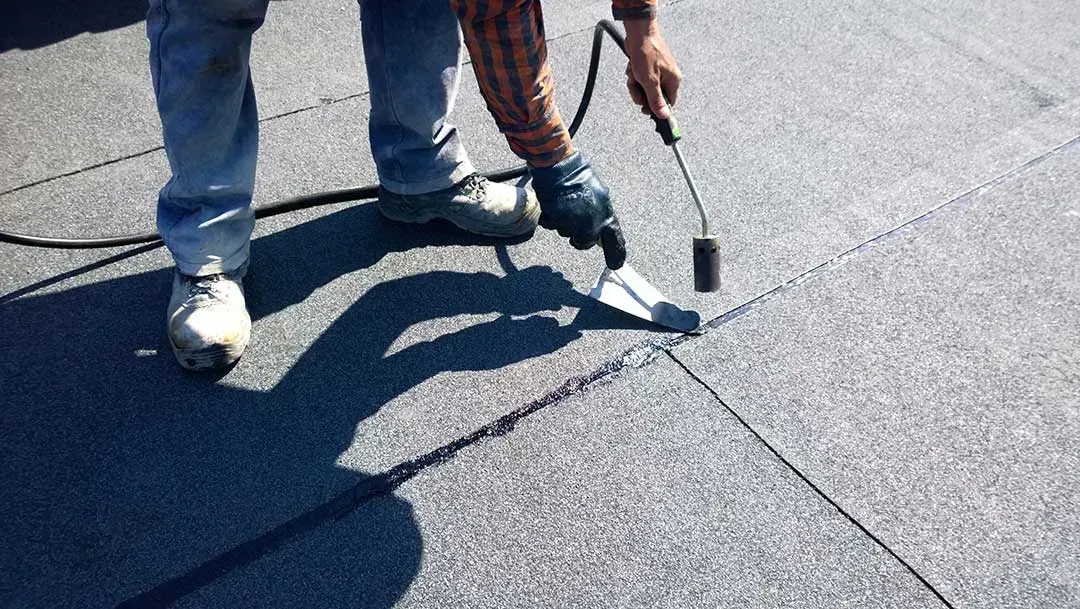
What’s the Difference Between Flat Roofs and Sloped Roofs? Flat roofs and sloped roofs have distinct construction styles, drainage patterns, and practical impac
The post Flat or Sloped Roofs in Overland Park, KS: Factors for Homeowners to Consider first appeared on Roofing Expert in Overland Park.